DeepgramFreemium
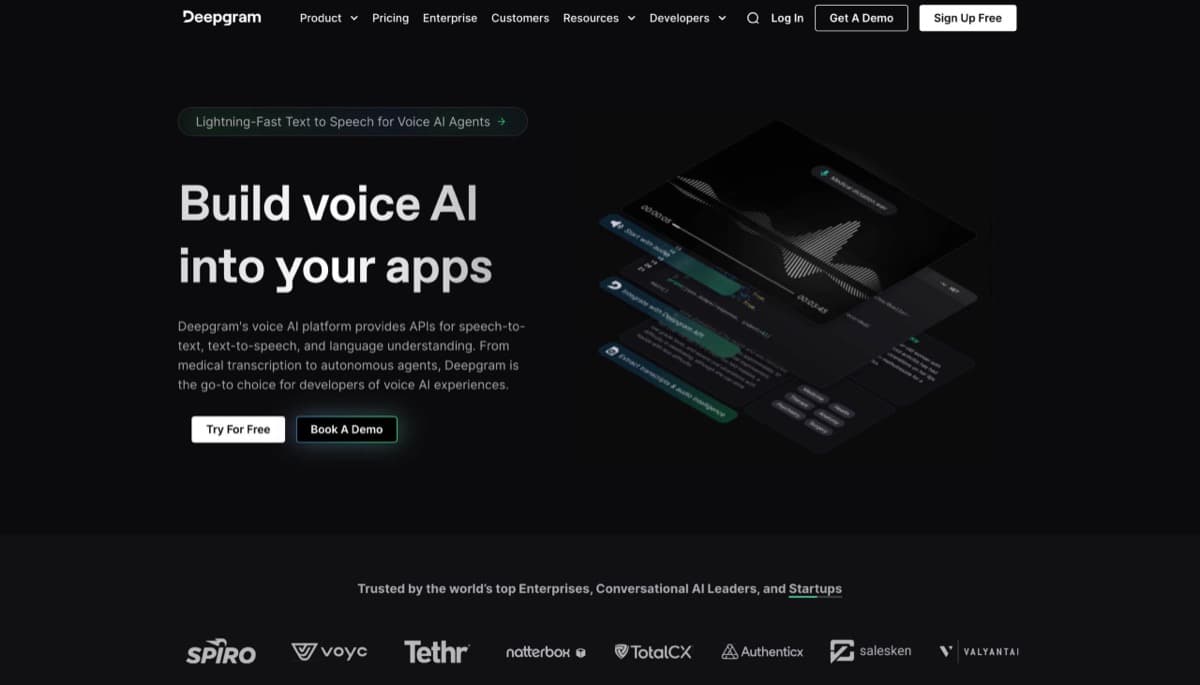
Enterprise voice AI platform with speech-to-text, text-to-speech, and conversational AI APIs featuring ultra-low latency, 45+ languages, and unified voice agent capabilities.
speech-to-texttext-to-speech
Free web-based AI text-to-speech tools converting text to natural voice audio at no cost, with multilingual support and downloadable MP3 exports.
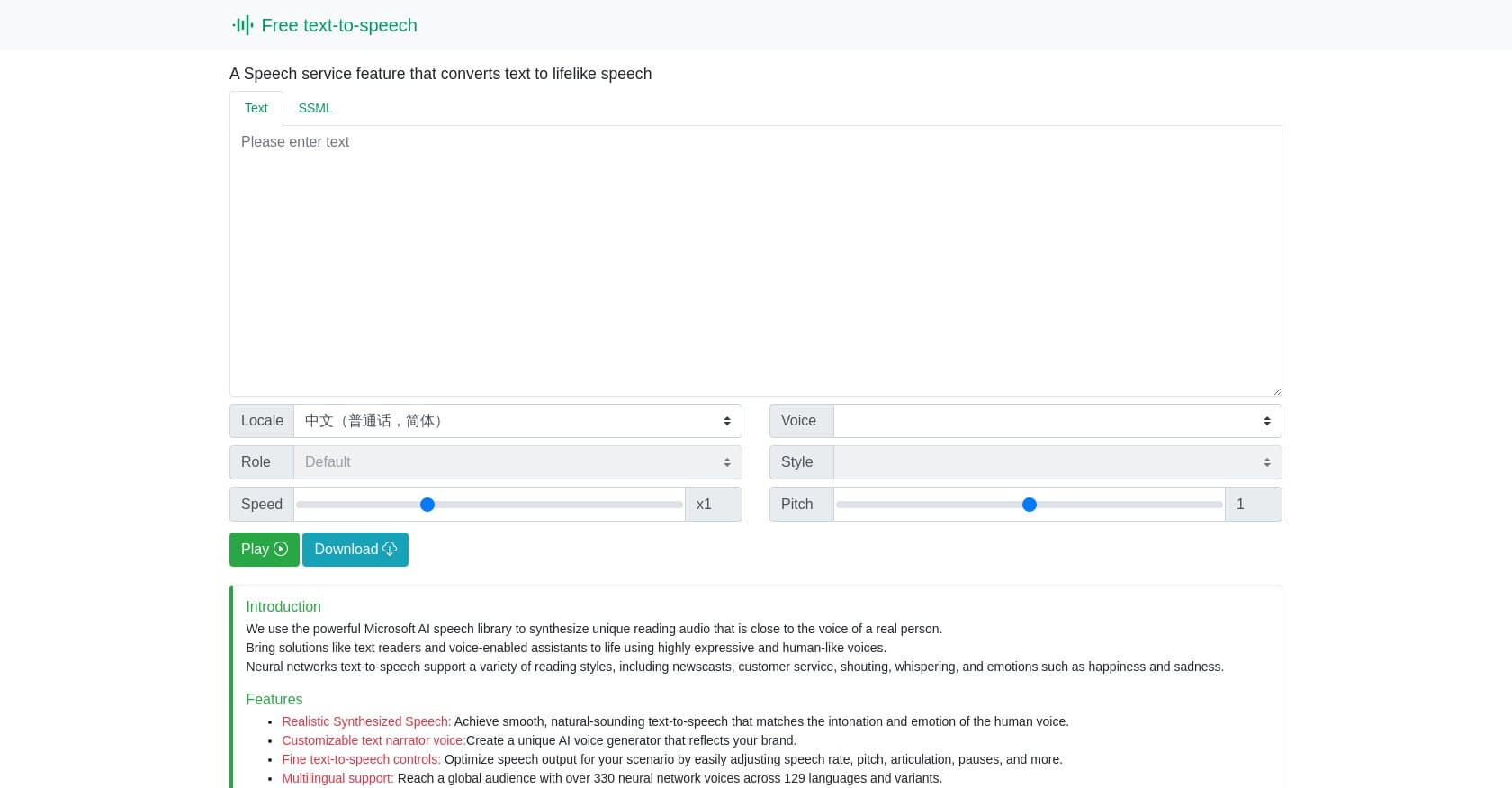
Free Text-To-Speech tools represent a significant breakthrough in making AI-generated voice technology accessible to everyone without financial barriers. These web-based platforms convert written text into natural-sounding spoken audio using advanced neural TTS engines from providers like Google, Microsoft, and OpenAI. Unlike traditional robotic synthesizers, modern free TTS tools produce remarkably human-like speech with appropriate intonation, pacing, and emotional nuance across dozens of languages and regional accents.
The primary value proposition is democratizing voice generation for users who cannot afford premium services or simply need quick, occasional voice output without commitment. Students use these tools to have articles and study materials read aloud for comprehension or accessibility purposes. Content creators generate narration for YouTube videos, podcasts, and social media without hiring voice talent. Professionals produce voiceovers for presentations and training materials. Developers integrate these capabilities via APIs for accessibility features or interactive applications.
Free TTS platforms handle varying text lengths from short sentences to full documents, offering controls for playback speed, pitch adjustment, and strategic pauses. Most provide direct MP3 downloads for offline use or embedding in projects. The distinction between free and premium tiers typically involves voice quality, character limits, export options, and commercial usage rights. Here's what you need to know before signing up.
The free tier provides unlimited access to basic WebSpeech API voices with no signup required, making it ideal for casual testing and simple use cases. Users can generate unlimited audio with basic voices, adjust parameters, and download MP3 files without providing payment information. Premium subscriptions begin at approximately $9/month and unlock high-quality neural voices with superior naturalness and expressiveness, higher character limits (typically 30,000-100,000 characters weekly), commercial usage rights, priority processing during peak times, and advanced features like voice cloning or enhanced emotion controls. The free tier represents genuine value rather than a severely limited trial, though professional content creators will eventually need premium access for higher-quality voices and commercial licensing.
What works well:
Where it falls short:
Free TTS tools serve an exceptionally broad user base across skill levels. Students with dyslexia, visual impairments, or those who process information better auditorily benefit from having educational materials read aloud. Content creators and social media managers needing quick voiceovers for videos or podcasts will find the free tier sufficient for basic narration needs. Professionals producing internal training materials, e-learning content, or presentations can generate acceptable voiceovers without external vendors. Accessibility-focused developers integrate these APIs into applications for screen readers or assistive technologies. Casual users who occasionally need text-to-speech for proofing written work or converting articles to audio for commutes represent the largest demographic. Users requiring broadcast-quality voiceovers, commercial licensing, or highly expressive emotional narration should consider premium alternatives.
Free Text-To-Speech platforms deliver genuine value that was unthinkable a decade ago, transforming from novelty tools to viable solutions for everyday voice generation needs. The quality gap between free basic voices and premium neural voices continues narrowing as AI synthesis improves rapidly. For casual users, students, and professionals with basic needs, these free tiers offer remarkable capability without any financial commitment. Those requiring commercial use, highest-quality expressiveness, or extensive character allowances will find the $9/month premium tiers reasonable investments compared to alternative paid services. Anyone exploring text-to-speech should begin here to establish baseline expectations before considering paid alternatives.
Enterprise voice AI platform with speech-to-text, text-to-speech, and conversational AI APIs featuring ultra-low latency, 45+ languages, and unified voice agent capabilities.
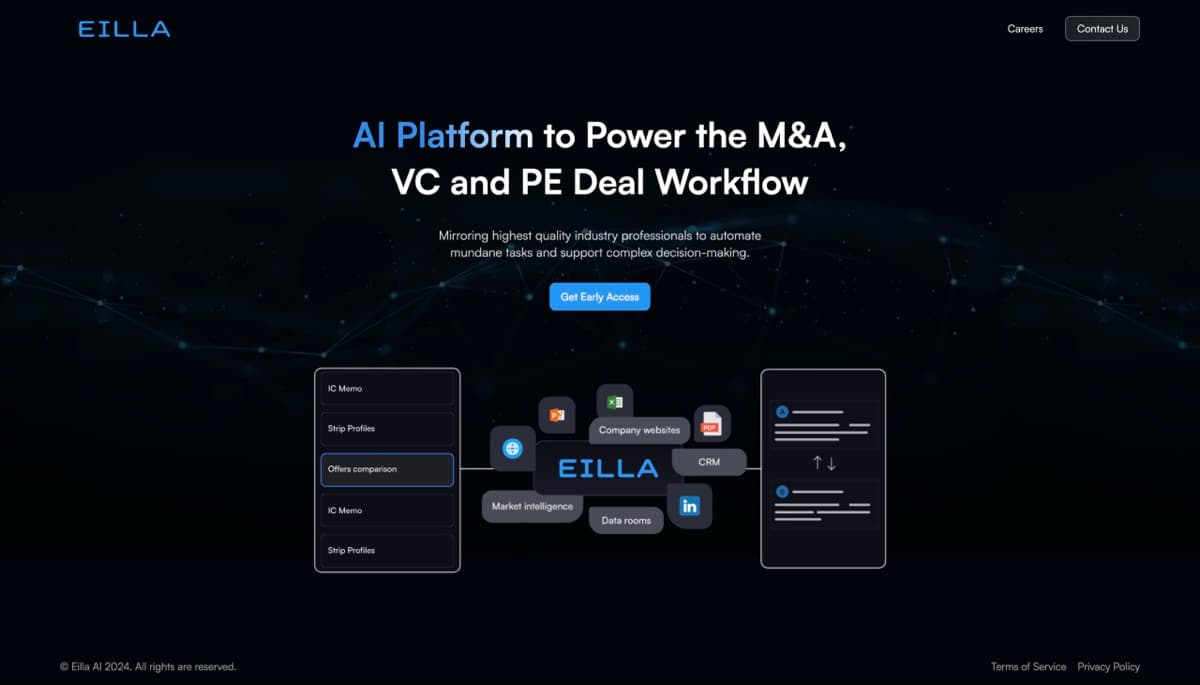
AI-powered platform for M&A, VC, and PE workflows featuring automated company research, buyer identification, and valuation modeling with integration to Capital IQ and Crunchbase.
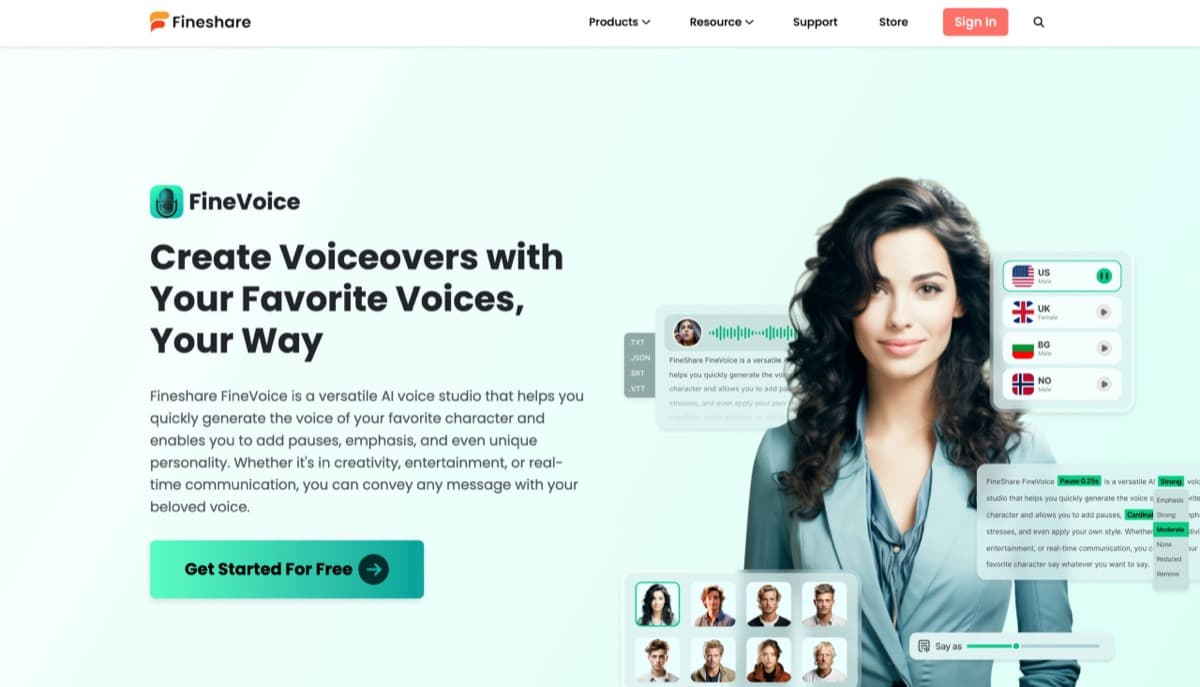
All-in-one AI platform for voice cloning, text-to-speech, real-time voice changing, music generation, and video enhancement aimed at content creators and streamers.
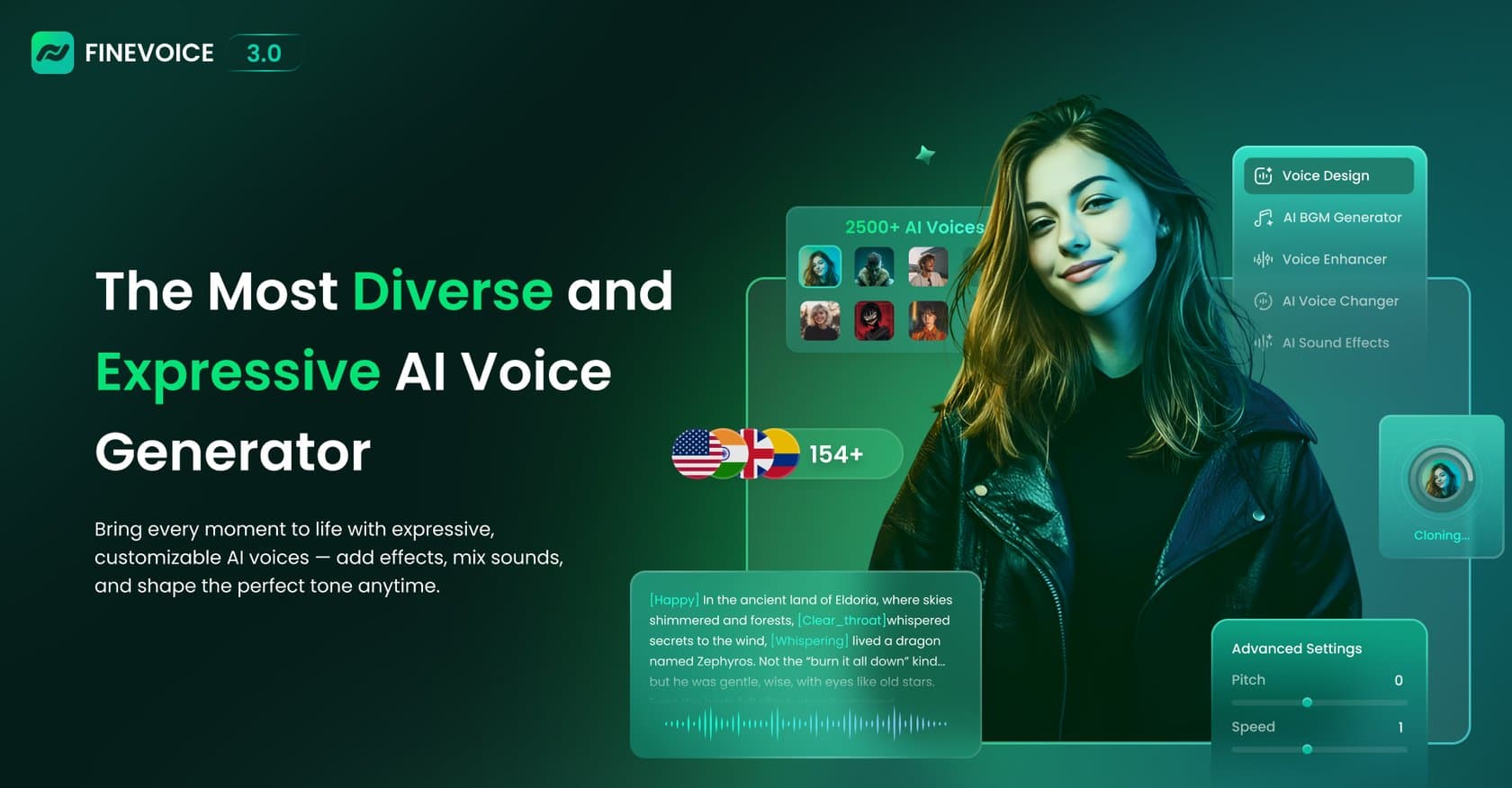
FineVoice is an AI voice generation platform with 1,500+ voices in 154 languages, featuring fast voice cloning, custom voice design, and an all-in-one content creation suite.
AI companion platform with unique memory system for personalized, evolving relationships and immersive roleplay experiences.
Immersive AI companion platform with powerful memory systems and uncensored conversation capabilities—perfect for roleplay and persistent digital connections.